

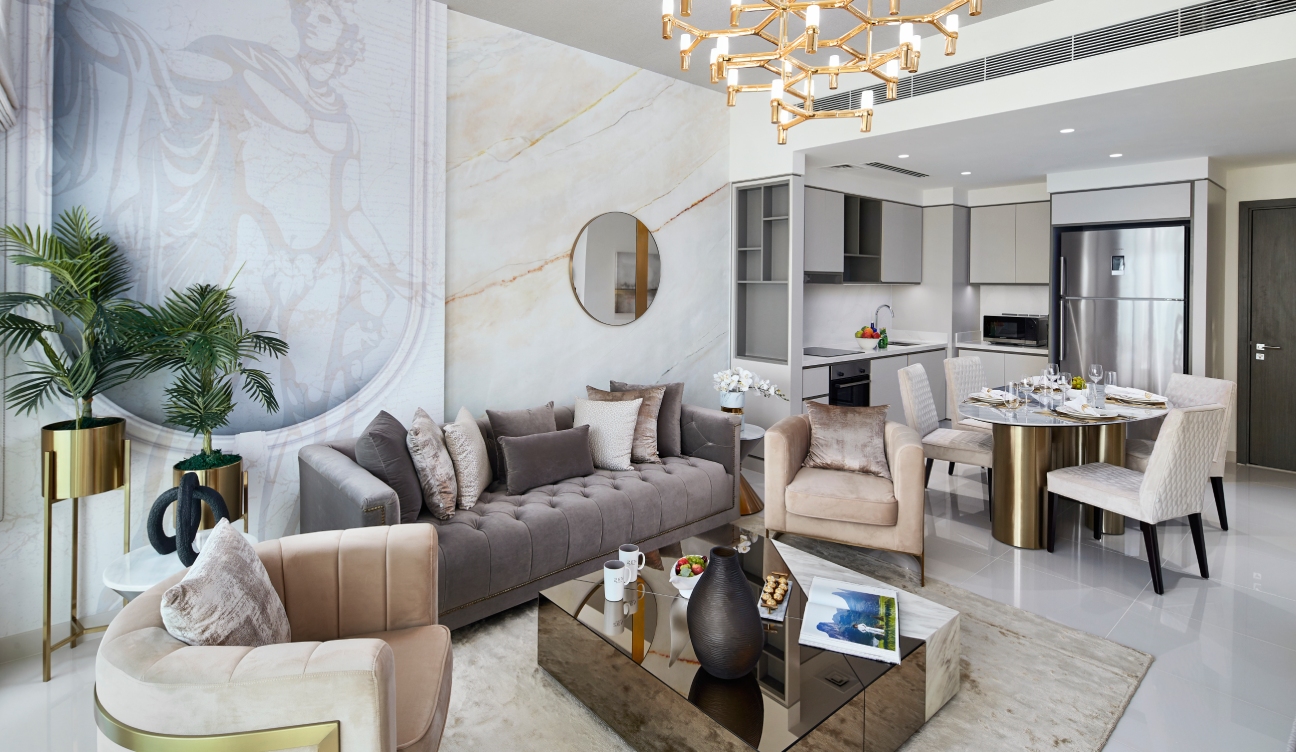
Odd room shapes test patience. Slanted walls, long narrow spaces, L-shaped corners each one fights normal furniture placement. Many people push pieces against walls and hope for the best. That never works. Wrong shapes eat up space and create dead zones. Good design fixes awkward layouts without force.
Here are simple ways an interior company Dubai would tackle these tricky rooms, broken down for anyone to use.
Embrace the curves:
Round walls look difficult but offer unique opportunities for cozy setups. Instead of fighting the curve, place furniture that follows the arc of the wall. A curved sofa or a custom-built bookshelf creates a soft, inviting atmosphere. This approach highlights the architectural shape rather than trying to hide it. Soft lines bring a relaxing vibe to any room with tricky walls.
Define zones with rugs:
Long or open-plan areas feel overwhelming when left empty. Large area rugs act as anchors, breaking a vast floor into smaller, functional segments. Place a rug under a seating area to signal where the conversation zone starts and ends. This simple trick provides structure to sprawling spaces. Different textures and patterns differentiate dining areas from relaxation spots without needing physical walls.
Build custom furniture:
Standard pieces often fail to fit into weird alcoves or slanted ceilings. Custom cabinets or benches turn wasted space into storage. Built-in units hug the walls perfectly, removing gaps where dust gathers. This keeps the floor clear while providing places to display books or decor. Tailored designs maximize every inch, changing useless niches into highlight areas of the home.
Use mirrors to expand:
Small, boxy rooms feel claustrophobic. Hanging large mirrors creates an illusion of depth, tricking the eye into seeing more space. Place reflections opposite windows to bounce light throughout the area. Bright rooms appear airy, reducing the impact of cramped layouts. Mirrors are tools that shift perspectives and open closed-in corners effortlessly.
Paint with purpose:
Color choices change how a space feels instantly. Dark tones on a far wall pull it closer, helping long, thin rooms feel balanced. Light colors push walls out, making tight spots feel open. Use contrast to draw attention toward the best features while painting tricky corners in soft shades to let them recede. Paint acts as a visual reset button for odd geometry.